
Understanding Query Counting: Why Your SEO Metrics Might Be Misleading
SERPView Team
SEO Analytics
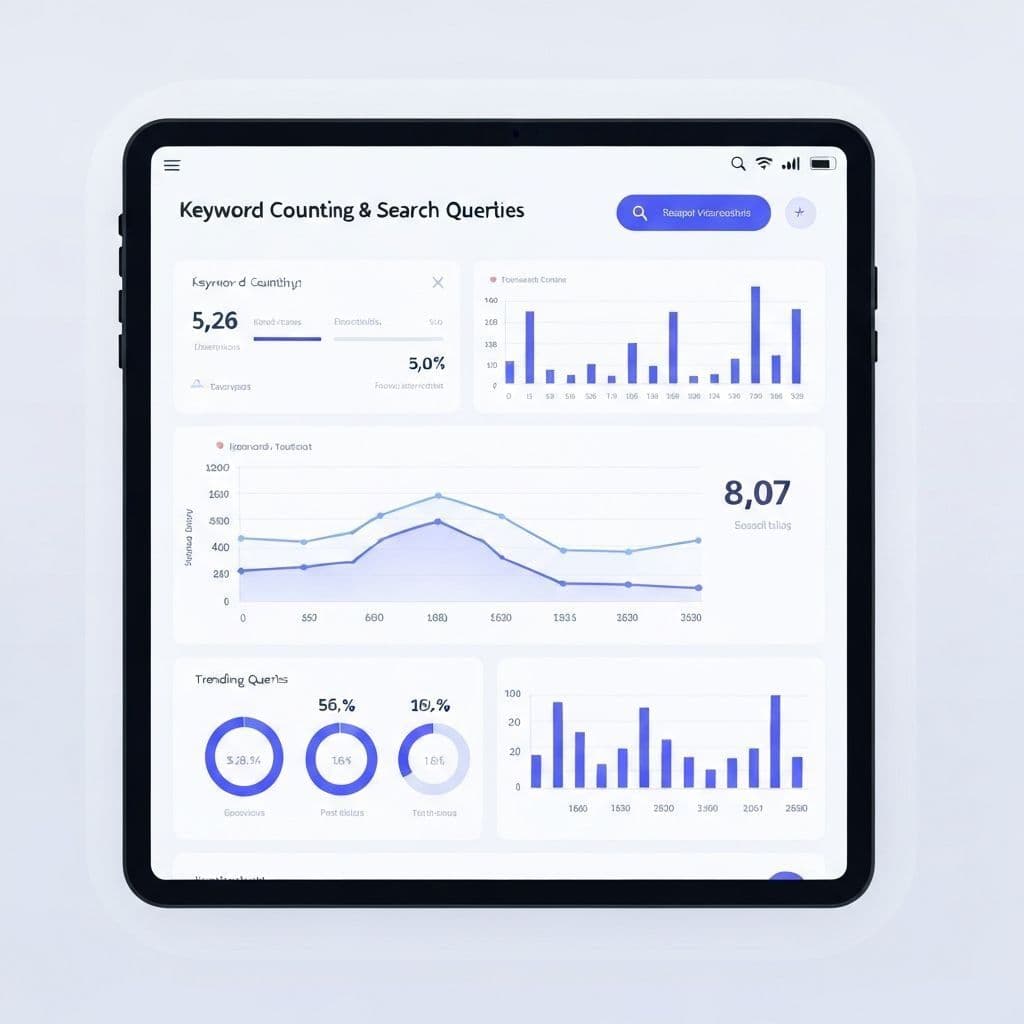
When analyzing your website's search performance, most SEOs focus on the usual suspects: rankings, clicks, impressions, and CTR. But there's a powerful metric that often gets overlooked: query counting. So we are going to discuss how we can solve this issue.
What is Query Counting?
Query counting refers to tracking the total number of unique search queries your website appears for over a given time period. Unlike focusing on individual keyword rankings, query counting gives you a bird's-eye view of your search visibility breadth.
Why Query Counting Matters
1. It Reveals Content Relevance
A page that ranks for 500 different queries is demonstrating strong topical relevance to Google. It's a sign that your content comprehensively covers a subject and matches various user intents.
2. It Uncovers Hidden Opportunities
By tracking query counts, you can identify pages that are appearing for many queries but not getting clicks. These represent optimization opportunities where small improvements to titles or meta descriptions could significantly boost traffic.
3. It Shows True SEO Health
A website's query count trending upward over time indicates improving search visibility, even if individual keyword rankings fluctuate. Conversely, a declining query count is an early warning sign of SEO problems.
How to Analyze Query Counts Effectively
Track Query Count Trends Over Time
Don't just look at a snapshot. Monitor how your query counts change week over week and month over month. Sudden drops can indicate:
- Technical issues affecting crawling
- Algorithm updates impacting your content
- Competitors capturing your search visibility
Segment by Page Type
Different page types should have different query count expectations:
- Blog posts should typically rank for 20-100+ queries depending on topic depth
- Product pages might rank for 10-50 queries around product attributes
- Category pages often rank for broader queries and could see 50-200+
Compare Against Clicks
The relationship between query count and clicks reveals content effectiveness:
- High queries, low clicks = Visibility without appeal (improve titles/descriptions)
- Low queries, high clicks = Niche content performing well (consider expanding)
- High queries, high clicks = Your best-performing content (replicate this success)
Practical Application
Here's how to implement query counting in your SEO workflow:
- Weekly Review: Check query counts for your top 20 pages
- Monthly Analysis: Compare query count trends across your entire site
- Quarterly Strategy: Use query count data to inform content planning
The Query Count to Traffic Ratio
One of the most valuable metrics you can calculate is your query-to-click ratio. This tells you, on average, how many clicks you get per query you rank for.
Formula: Total Clicks / Total Unique Queries = Clicks per Query
A healthy website typically sees 0.1 to 0.5 clicks per query. If your ratio is significantly lower, it suggests your content is appearing in search results but not compelling users to click.
Common Mistakes to Avoid
- Ignoring branded queries - Separate branded and non-branded query counts for accurate analysis
- Short-term thinking - Query counts can fluctuate; look at trends over 30+ days
- Not segmenting by intent - Informational and transactional queries should be analyzed separately
Conclusion
Query counting transforms how you think about SEO. Instead of obsessing over individual keyword rankings, you start seeing the bigger picture of your search visibility. It's a metric that rewards comprehensive, high-quality content and punishes thin, low-value pages.
Start tracking your query counts today, and you'll gain insights that most of your competitors are missing.
Ready to unlock your full GSC potential?
SERPView helps you access all your Google Search Console data without limitations. Start your free trial today.
Get Started Free