
How to Identify Content Decay Before You Lose Traffic
SERPView Team
SEO Analytics
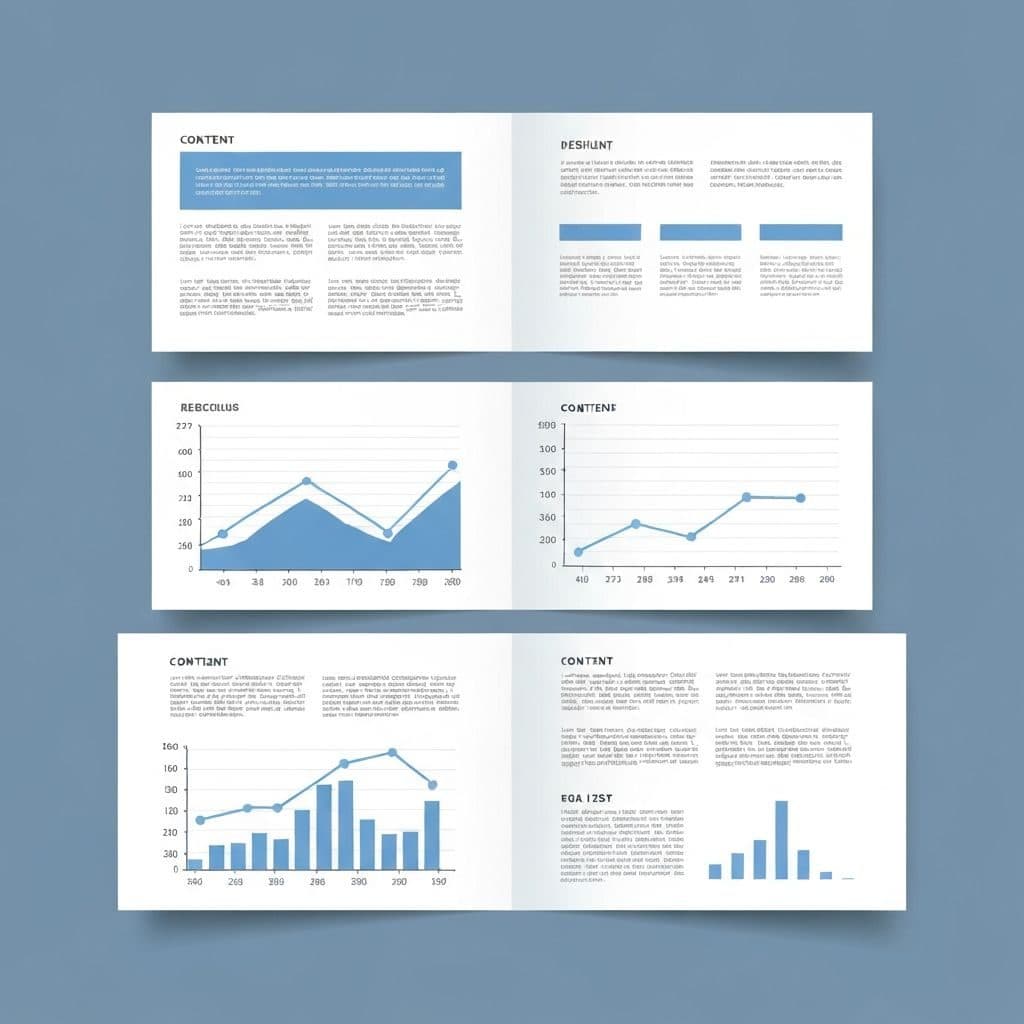
Every piece of content has a lifecycle. What ranks well today may slowly decline tomorrow. This phenomenon, known as content decay, is one of the most significant yet underestimated challenges in SEO.
What is Content Decay?
Content decay occurs when a previously well-performing piece of content gradually loses its search rankings and organic traffic over time. It's not a sudden drop—it's a slow, steady decline that can go unnoticed until significant damage is done.
The Causes of Content Decay
1. Outdated Information
Search engines prioritize fresh, accurate content. If your article references outdated statistics, old software versions, or deprecated practices, Google will eventually favor more current competitors.
2. Increased Competition
New content is published every day. Even if your content doesn't change, the competitive landscape does. More comprehensive, better-optimized, or more authoritative content from competitors can push your rankings down.
3. Changing Search Intent
User intent evolves. A query that once indicated informational intent might shift to transactional, or vice versa. If your content no longer matches what users are looking for, rankings will decline.
4. Technical Issues
Accumulated technical debt—slow load times, broken internal links, or poor mobile experience—can gradually erode your content's performance.
Early Warning Signs of Content Decay
Declining Impressions Before Clicks
One of the earliest indicators is a drop in impressions while clicks remain stable. This suggests you're appearing for fewer queries or in lower positions, but users who do see your content are still clicking.
Dropping Average Position
A gradual decline in average position (e.g., from 4.2 to 5.1 to 6.3 over several months) is a clear decay signal. Individual ranking fluctuations are normal, but a consistent downward trend requires attention.
Reduced Query Count
If the number of queries your page ranks for is decreasing, it's losing topical relevance. This often precedes traffic drops and is an early intervention opportunity.
Increasing Bounce Rate
When users land on your content and immediately leave, it signals a relevance or quality problem. Google tracks these engagement signals and adjusts rankings accordingly.
How to Monitor for Content Decay
Set Up Automated Alerts
Configure alerts for pages that show:
- 20%+ drop in clicks compared to the previous period
- 15%+ drop in impressions
- Average position decline of more than 2 spots
Create a Content Performance Dashboard
Track your top 50 pages monthly with these metrics:
- Clicks and impressions
- Average position
- Query count
- Click-through rate
Quarterly Content Audits
Every quarter, review content published 12+ months ago. Look for pieces that have declined 30% or more from their peak performance.
Strategies to Combat Content Decay
1. Content Refresh
Update statistics, examples, and references. Add new sections addressing recently emerged subtopics. Improve existing sections based on current best practices.
2. Consolidation
Sometimes multiple decaying articles on similar topics should be merged into one comprehensive resource. This concentrates your topical authority and eliminates internal competition.
3. Re-optimization
Review and update:
- Title tags and meta descriptions
- Header structure
- Internal linking
- Image optimization
4. Competitive Analysis
Study what's currently ranking. What do top competitors cover that you don't? What's their content structure? Use these insights to guide your updates.
Building a Content Maintenance System
- Inventory all content with publication dates and peak performance metrics
- Prioritize by value based on traffic potential and business importance
- Schedule regular reviews with clear criteria for what triggers an update
- Track update effectiveness to refine your refresh strategy over time
Conclusion
Content decay is inevitable, but traffic loss isn't. By monitoring the right signals and taking proactive action, you can maintain and even improve your content's performance over time.
The key is catching decay early. A 10% decline is much easier to reverse than a 50% drop. Build content maintenance into your SEO workflow, and you'll preserve the traffic you've worked hard to earn.
Ready to unlock your full GSC potential?
SERPView helps you access all your Google Search Console data without limitations. Start your free trial today.
Get Started Free