
Prove Recovery in 3–6 Months: Google Update Recovery Analysis for SEOs
SERPView Team
SEO Analytics
Confirm the drop before you touch anything. Check the Search Status Dashboard and Search Console to date the loss, then hold off on rewrites or deletions while a rollout is still active. Google’s own guidance is clear on this: diagnose first, fix second, and expect recovery to take three to six months, not days.
TL;DR:
- Confirm the specific date and duration of the Google update using the Search Status Dashboard and your analytics before making any changes.
- Distinguish between algorithmic updates and technical or security issues by mapping traffic drops to URL patterns and your deployment calendar.
- Focus on targeted fixes to affected pages by adding depth, trust signals, or citations, and implement changes in staged waves to preserve measurement accuracy.
- Expect recovery to take three to six months, especially for content-related issues, and avoid rushing content rewrites during active rollouts or volatility.
- Use advanced tools like SERPView to segment losses by template, query, and page at scale, improving diagnosis speed and attribution accuracy.
Table of Contents
- How Do You Confirm and Date a Google Update Hit?
- Was That Really an Algorithm Update, or Did Something Break?
- Which Pages, Templates, and Queries Actually Lost Ground?
- Rewrite, Add Trust Signals, or Add Depth: Which Fix Comes First?
- How Long Does Recovery Actually Take?
- How Do You Run a Recovery Project Without Wrecking Your Own Data?
- What Tools Speed Up Diagnosis Beyond Search Console?
- Why Patience and a Change Log Beat Panic Edits
- Use SERPView to Run Your Recovery Analysis Faster
- Sources
- FAQ
How Do You Confirm and Date a Google Update Hit?
Every recovery project starts with a date, not a guess. You need to know the exact day traffic broke, and you need a second source confirming that Google actually shipped something that week.
Start with the Search Status Dashboard. It lists start and end dates for named core, spam, and reviews updates, along with historical rollout durations, so you can line up your traffic chart against a confirmed event instead of a rumor on social media.

Once you have a candidate date, verify it against your own first-party data. Search Console Performance reports and GA4 (or server logs, if you distrust tag-based tracking) should show the same inflection point. If they don’t agree, you’re not looking at an algorithmic hit yet.
Run through this checklist before you conclude anything:
- Pull the exact date and time the click or impression drop started in GA4 and Search Console side by side.
- Cross-reference that date against the Search Status Dashboard’s rollout windows for core, spam, or product review updates.
- Rule out measurement artifacts. Google itself notes that delayed data or temporary indexing-report issues can mimic a ranking loss.
- Check for a broken analytics tag, a Google Tag Manager container that stopped firing, or a Search Console property change around the same date.
- Note whether the rollout has finished. If it’s still in progress, mark the date and wait.
The rule of thumb worth writing on a sticky note: once the rollout is confirmed complete, wait at least one additional week before you measure the effect of anything, including fixes you haven’t shipped yet. Early data during an active rollout is close to useless for diagnosis.
Was That Really an Algorithm Update, or Did Something Break?
Not every traffic drop is Google’s fault. A shocking number of “core update losses” turn out to be a bad deploy, a plugin update, or a security incident that happened to land the same week. Separating the two determines whether you fix something today or wait and diagnose over weeks.
Work through this sequence:
- Map the loss by URL pattern and template. If the drop concentrates on one folder, one CMS template, or one content type, that points to a technical or on-page cause, not a broad algorithmic realignment.
- Check timing against your deploy calendar. A drop that starts the same day as a migration, a plugin update, or a server change is a technical event until proven otherwise. Practitioner playbooks recommend keeping a dated change log specifically so this question has a fast answer.
- Scan for security and indexing red flags. Unfamiliar pages in your sitemap, a spike in Search Console’s “Discovered, not indexed” bucket, or a sudden wave of spammy backlinks can all signal a compromised site. A hacked site follows a different recovery playbook entirely, built around containment and clean restoration, not content quality fixes.
- Confirm robots.txt and noindex tags weren’t changed. A single accidental noindex directive pushed in a deploy can look exactly like a core update penalty.
Fix technical and security problems immediately, no matter what else is going on. Hold everything content related until you have a confirmed, dated correlation with an announced update.
Pro Tip: Keep a single spreadsheet tab that logs every deploy, plugin update, and content batch with a timestamp. When a drop happens, you’ll answer “what else changed that week” in five minutes instead of two days.
Which Pages, Templates, and Queries Actually Lost Ground?
Vague diagnosis produces vague fixes. You need a segmented list of exactly which URLs, templates, and query groups lost visibility, ranked by how much revenue or traffic each one is worth.
Start in Search Console’s compare mode, but stretch the window past the usual 90 days. A 16-month comparison rules out seasonal patterns that a 3-month view will misread as algorithmic damage. Retail and travel content in particular can look like a core update casualty when it’s really just an off-season dip.
From there, the segmentation recipe looks like this:
- Export the full performance table, not the default top rows. Search Console’s native 1,000-row cap hides the long tail of affected pages, which is often where the real story is.
- Segment by URL pattern (blog vs. product vs. category), by device, and by query intent (informational vs. transactional).
- Sort by clicks difference, not percentage change, so you prioritize pages that actually moved meaningful traffic.
- Cross-check the affected queries against current top-ranking results. If competitors now show longer guides, video embeds, or original data where you have a thin 400-word page, that’s your remediation shape.
A keyword cannibalization check is worth running at this stage too. Sometimes what looks like an update loss is actually two of your own pages competing for the same query and splitting the ranking signal between them.
Rewrite, Add Trust Signals, or Add Depth: Which Fix Comes First?
Once you have a ranked list of affected pages, resist the urge to rewrite everything at once. Practitioner data on recovery efforts consistently shows that a mass rewrite during a live rollout destroys your ability to measure what actually worked, because you’ve changed too many variables at the same time.
Three remediation patterns cover most recovery cases:
- Rewrite thin or outdated content with original detail. Add subtopics the query actually needs, original data or examples, and a clear statement of who the page is for. This is the highest priority for pages that lost the most clicks and show a content-shape mismatch against competitors.
- Add author and trust signals. A visible author bio, credentials where relevant, and links to external provenance (studies, primary sources, an “about” page) matter more after quality-focused updates than most site owners assume. This pattern pairs well with content refresh work you’re already planning.
- Add citations and technical depth. If competitors ranking above you now cite research, include data tables, or go noticeably deeper on a subtopic, match that shape. Copying structure without copying substance rarely works.
Ship fixes in waves, not all at once. Take your top 10 to 20 pages by traffic loss, apply one pattern consistently across that wave, then pause and measure before touching wave two. This staged approach, sometimes called a fix-wave method, preserves your ability to attribute results to a specific change instead of guessing which of fifty edits mattered.
Pro Tip: A structured content-update workflow built around staged releases keeps a recovery project from turning into an unmanageable backlog of half-finished rewrites.
How Long Does Recovery Actually Take?
Google’s own advice is blunt: confirm the rollout finished, wait a week, then start analyzing page-level changes. What that advice doesn’t spell out is the emotional cost of that waiting period, which is usually the hardest part of a recovery project.
Recovery timelines for algorithmic updates typically run three to six months, not the two or three weeks many site owners expect. Sites with clear, targeted fixes and strong existing domain trust tend to recover faster; sites needing structural rebuilds across many templates take longer.
Two categories of “update” behave differently, and confusing them wastes time. A named, announced core or spam update is durable. If you’re hit by one, plan for months of measured work. Unconfirmed volatility, the kind that shows up on rank trackers with no matching entry on the Search Status Dashboard, often behaves differently. One documented case in September 2026 reversed within about nine days, with affected sites recovering without any intervention at all.
While you wait, track these four indicators weekly rather than staring at overall traffic:
- Impressions for your affected query segment (recovering before clicks do)
- Click volume for your top-loss pages specifically
- Ranking spread (how many positions your key pages move, not just average position)
- Click-through rate at each position, which flags snippet or title problems separate from ranking
How Do You Run a Recovery Project Without Wrecking Your Own Data?
A recovery effort fails almost as often from bad process as from bad diagnosis. Teams panic, ship dozens of uncoordinated changes, and end up with no idea which fix helped.
The first 14 days matter most:
- Log the incident: date, affected pages, suspected cause, and screenshots of the drop in Search Console and GA4.
- Freeze large content pushes and template-wide changes until diagnosis is complete.
- Capture evidence while it’s fresh: server logs, crawl reports, and a snapshot of top-ranking competitor pages for your key queries.
- Rank pages by traffic loss and commercial value, then draft your first fix wave.
After that, run fixes in scheduled waves rather than a continuous trickle. Each wave should include a defined set of top-loss pages, one consistent remediation pattern, and any low-risk technical fixes that don’t require content changes. Report progress with a simple change log format: date, page or template, change made, hypothesis, and result once measured. Test every wave on staging first, keep a full backup before deployment, and roll out incrementally so a bad fix doesn’t compound the original problem.
What Tools Speed Up Diagnosis Beyond Search Console?
Search Console’s native export tops out at 1,000 rows, which is exactly where most segmentation work breaks down on a mid-size site. A platform like SERPView removes that ceiling, pulling up to 50,000 rows across multiple properties so you can filter by URL pattern, device, and query intent in one pass instead of stitching together a dozen smaller exports.
- Consolidated, large-row exports make it possible to segment losses by template and commercial value without hitting a data wall.
- Custom annotations let you log the exact date of a deploy, a suspected update, or a fix-wave release, so attribution stays visible months later.
- A practical recipe: export affected pages, filter by traffic loss and revenue value, annotate the deploy dates, then build your fix wave from what’s left.
- Longer historical storage helps distinguish a real algorithmic hit from a seasonal dip that just looks alarming in a 90-day window.
Why Patience and a Change Log Beat Panic Edits
Utsav Chopra’s editorial take: the costliest mistake in recovery work isn’t a missed fix. It’s the rewrite shipped three days into an unconfirmed, still-volatile event that reverses on its own a week later. That documented nine-day reversal in September 2026 is a reminder that action feels productive even when it’s premature.
Adopt the fix-wave habit and keep a dated change log. It’s the difference between learning something from a recovery project and just hoping the next update goes better.
— Utsav Chopra
Use SERPView to Run Your Recovery Analysis Faster
Serpview is built for exactly the segmentation work a recovery project demands. Where Search Console caps exports at 1,000 rows and forces you to stitch together partial views, Serpview pulls up to 50,000 rows across multiple properties into one dashboard, so a fix-wave prioritization that used to take a day of spreadsheet triage takes an hour.
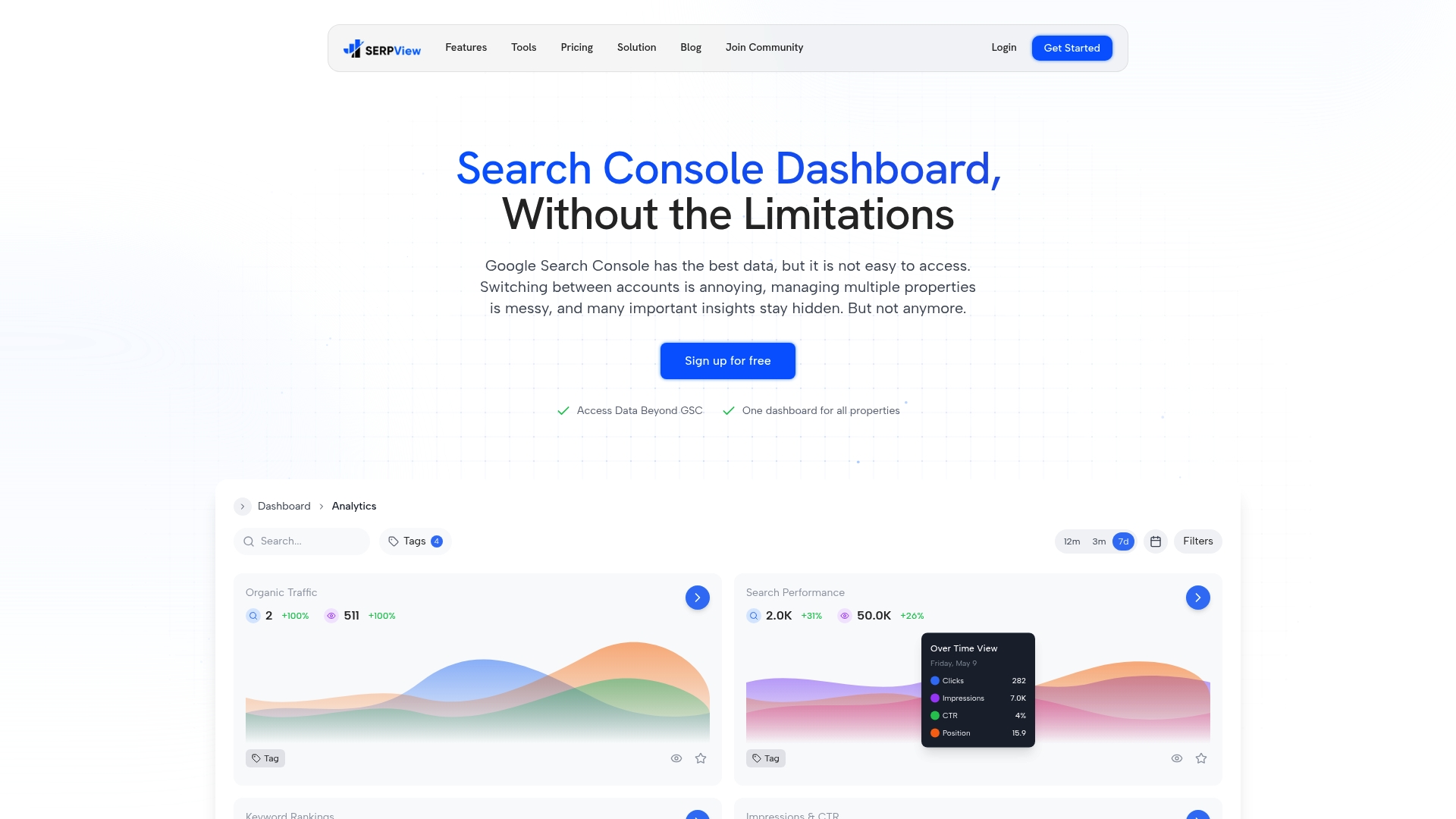
The features map directly onto the playbook above. Custom annotations let you log deploy dates, rollout windows, and fix-wave releases so attribution survives past the point where memory usually fails. Extended historical storage makes 16-month comparisons practical instead of painful, which matters when you’re ruling out seasonality before calling something a core update casualty. Agencies running recovery work for multiple clients can share a live dashboard instead of exporting static reports every week.
If you’re mid-recovery right now, start with the Real Pro plan at $39 per month, or take the Life Time Access option at $99 one time if you expect to run these diagnostics on a recurring basis. Visit the SERPView landing page and pull your first segmented export today.
Sources
- Google Search’s Core Updates | Google Search Central | Documentation | Google for Developers
- Google Search Ranking Update Around September 4th That Reverted September 13th
- Google Update Recovery: What It Costs and How to Fix It
FAQ
Was There a Google Update Recently?
Check the Search Status Dashboard first. It lists confirmed core, spam, and reviews updates with exact start and end dates, which is more reliable than rank-tracker volatility charts alone.
How Do I Find My Google Recovery Data?
Pull first-party data from Search Console Performance reports and GA4, then cross-reference the date your traffic changed against the Search Status Dashboard. A tool like SERPView helps by exporting beyond the 1,000-row cap so you can segment the full picture by page, device, and query.
How Long Does Google Recovery Take?
Most content-quality recoveries following a confirmed core update take three to six months, according to Google’s own guidance. Unconfirmed volatility events can resolve much faster; one documented case reversed within about nine days with no site changes at all.
How Do I Remove the New Google Update’s Effect on My Site?
You don’t remove an update; you diagnose and remediate what it exposed. Segment your losses by page and query, apply targeted fixes like rewrites, added trust signals, or deeper citations to your highest-loss pages, then wait for the next refresh to measure results.
Should I Rewrite My Content Immediately After a Drop?
No. Wait until the rollout is confirmed complete and give it at least one more week before making content changes, since early rewrites during an active or unconfirmed event can destroy your ability to measure what actually worked.
Recommended
Ready to unlock your full GSC potential?
SERPView helps you access all your Google Search Console data without limitations. Start your free trial today.
Get Started Free